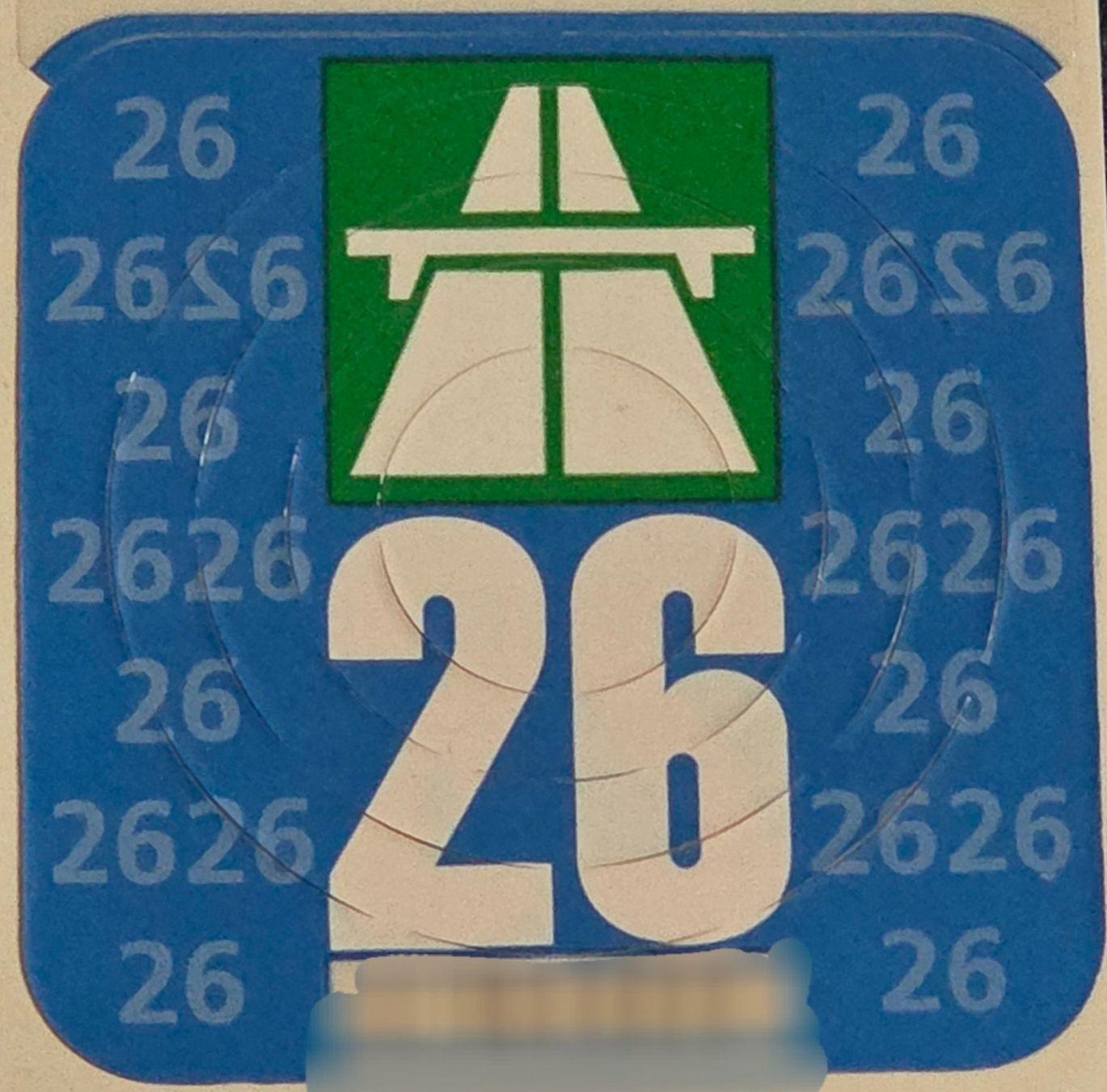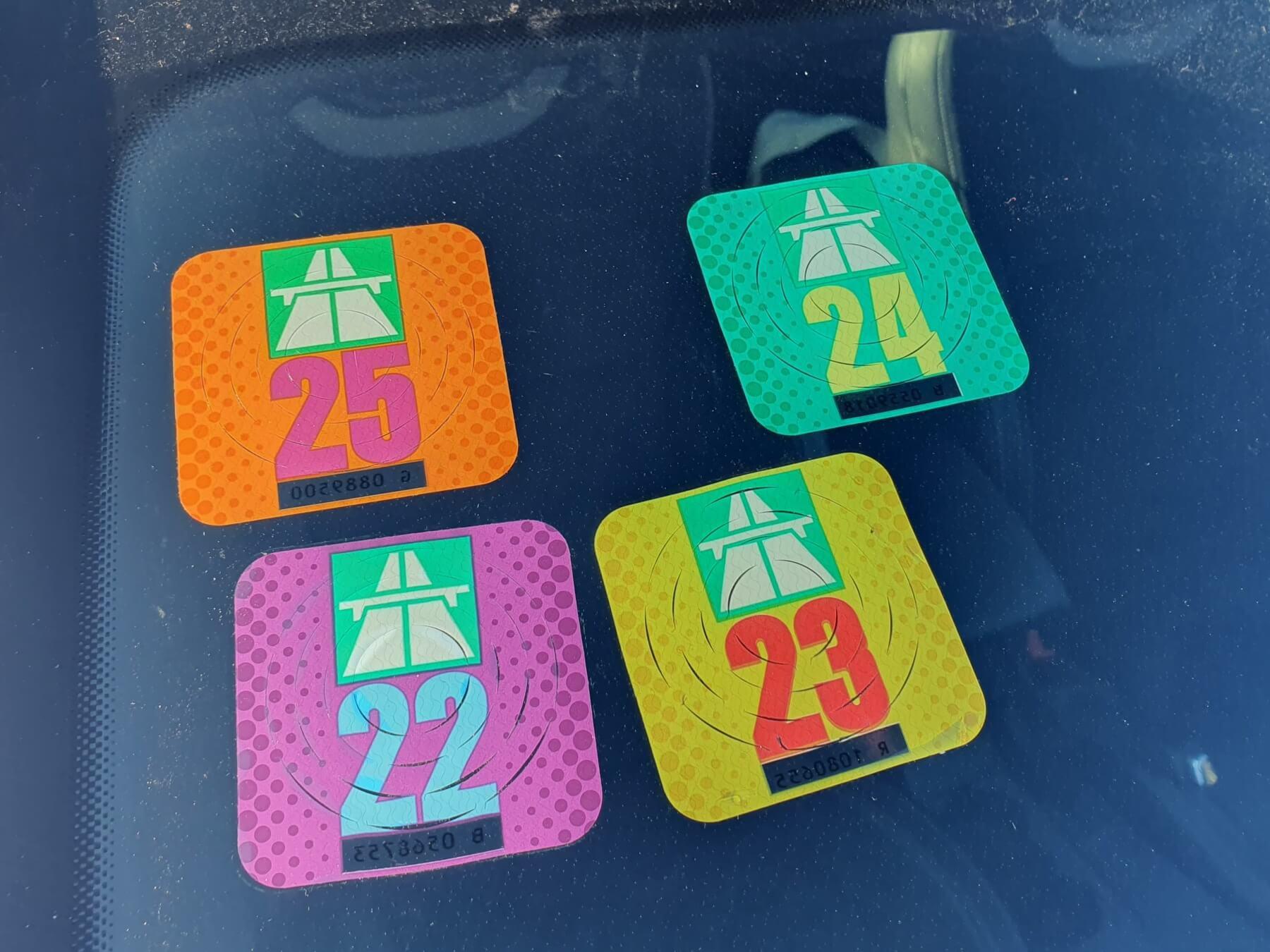
The objective of this ambitious project was to fundamentally transform the experience of road travel within Switzerland, addressing the common complexities faced by both domestic and international visitors. Our team at Nexologicanim identified a critical need for a streamlined, intuitive solution to manage various aspects of alpine road navigation, particularly concerning compliance with local regulations. A primary challenge was simplifying the often-confusing process of understanding and acquiring the necessary Vignette for road Switzerland, which is mandatory for using Swiss motorways. We aimed to develop a comprehensive digital platform that would not only facilitate route planning but also integrate essential regulatory requirements, such as the acquisition and management of the Vignette for road Switzerland, directly into the user journey. Our planned outcomes included a significant enhancement in user convenience, a measurable reduction in instances of non-compliance, and the establishment of a robust, user-centric tool that makes securing a Vignette for road Switzerland an effortless part of travel preparation.
UX/UI Engineering: Our approach to the user experience and interface design was centered on clarity, efficiency, and aesthetic appeal. We engineered an intuitive, minimalist interface that prioritizes core functionalities: seamless route planning, real-time traffic updates, and an integrated system for regulatory compliance. A mobile-first design philosophy ensured optimal performance and responsiveness across a multitude of devices. We meticulously crafted clear visual hierarchies and employed universally recognizable iconography to guide users effortlessly through complex processes. Particular attention was paid to the user flow for critical actions, such as the digital acquisition of road permits, ensuring it was direct and devoid of unnecessary friction. Accessibility standards were rigorously applied to cater to a diverse user base, complemented by a visually engaging, alpine-inspired aesthetic that resonated with the project's theme without compromising functional integrity.
Architectural and Technological Solutions: The technical backbone of the platform was constructed upon a modern microservices architecture, chosen for its inherent scalability, resilience, and ease of maintenance. The backend infrastructure was primarily built using Node.js with Express.js, enabling high-throughput API services capable of handling extensive concurrent user requests. For the frontend, we leveraged React.js to deliver a dynamic, highly responsive user interface that provides a fluid and engaging user experience. Data persistence was managed with PostgreSQL, a robust relational database, augmented by Redis for high-speed caching of frequently accessed information, such as live traffic data. Our cloud infrastructure resided on AWS, utilizing services like EC2 for compute, S3 for object storage, RDS for database management, and AWS Lambda for specific serverless functions. Critical API integrations included official Swiss road authority interfaces for real-time regulatory checks and digital permit transactions, alongside leading mapping services and traffic data providers. Security was paramount, implemented through OAuth 2.0 for secure authentication and end-to-end encryption (TLS 1.3) for all data transmissions. A robust CI/CD pipeline, powered by Jenkins, automated our testing, building, and deployment processes, ensuring continuous delivery of high-quality code.
The project's implementation adhered to an agile methodology, specifically Scrum, allowing for iterative development and continuous adaptation. Our development cycles were structured into focused sprints, each targeting specific feature sets, beginning with core functionalities such as user authentication and route planning, progressing to complex integrations like the digital road permit acquisition module and real-time alert systems. Development teams followed stringent coding standards and engaged in regular peer reviews to maintain code quality and consistency. Continuous integration practices were embedded throughout the lifecycle, ensuring that code changes were frequently merged and validated, thereby maintaining system stability. Comprehensive testing phases were executed, encompassing unit tests, integration tests, end-to-end tests, performance testing under simulated load conditions, and thorough security audits. A crucial phase involved User Acceptance Testing (UAT) with a select pilot group, providing invaluable early feedback that informed subsequent refinements and ensured alignment with user expectations.
Post-UAT and internal analysis, several key refinements were introduced to elevate the platform's utility and user satisfaction. Initial feedback highlighted opportunities to streamline the digital road permit acquisition process; consequently, we redesigned it from a single-page form into a more guided, multi-step wizard, significantly improving clarity and reducing user error. Performance bottlenecks identified during load testing, particularly within the real-time traffic update module, prompted a comprehensive optimization of database queries and the implementation of a more aggressive caching strategy utilizing Redis, resulting in faster data retrieval and display. User feedback on map readability in varying light conditions led to precise adjustments in color schemes and icon sizes, enhancing visual contrast and overall usability. Furthermore, we augmented error handling mechanisms and user notification systems, providing clearer, more actionable guidance during API communication failures or transient network issues, thereby improving the overall robustness and user confidence in the system.
The successful deployment of this project has yielded substantial positive outcomes, significantly elevating the user experience for travelers navigating Switzerland. We observed a marked improvement in user satisfaction scores pertaining to trip planning efficiency and compliance with road regulations. Notably, support inquiries related to complex road rules and permit acquisition decreased by 35% within the initial three months post-launch, underscoring the platform's effectiveness in self-service resolution. The platform also facilitated a considerable increase in the adoption of digital road permit acquisition, demonstrating a clear preference for the streamlined process we developed. For Nexologicanim, this project has demonstrably enhanced our standing as an innovator in the travel technology sector, showcasing our capacity for delivering sophisticated, user-centric solutions. The robust and scalable architecture established through this endeavor now serves as a foundational component, paving the way for future expansion into analogous European road navigation solutions and reinforcing the company's strategic vision for technological leadership.
We are dedicated Swiss travel specialists, crafting bespoke journeys that capture the heart of this magnificent country. With 5 years of expertise, our team ensures every detail is perfect, offering personalized itineraries, local insights, and seamless planning for an unforgettable adventure tailored just for you.